Choosing exterior siding is one of the most important decisions homeowners make during construction or remodeling projects. Siding not only defines a home’s appearance but also contributes to weather protection, energy efficiency, and long-term maintenance requirements. Two popular choices often compared by homeowners are stucco and vinyl siding. Understanding the differences between stucco vs vinyl can help determine which material is best suited for your property.
Both materials offer unique advantages, and the ideal choice depends on climate conditions, maintenance expectations, design preferences, and long-term goals. By evaluating the strengths and limitations of each option, homeowners can make informed decisions that support both aesthetics and functionality.
Why Exterior Siding Matters
Siding serves as the outer protective shell of a home. It shields the structure from environmental exposure while significantly influencing curb appeal and property value.
Effective siding systems help provide:
- Weather protection
- Improved appearance
- Energy efficiency support
- Long-term durability
- Property value enhancement
Because siding affects multiple aspects of home performance, choosing the right material is an important investment.
What Is Stucco?
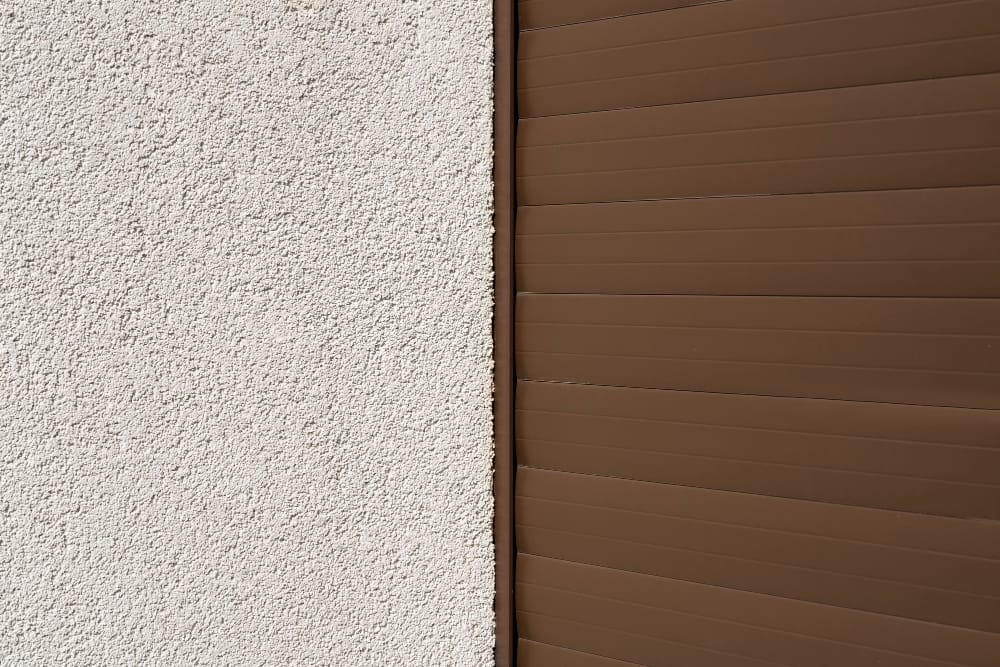
Stucco is a durable exterior finish made from a combination of cement-based materials that are applied in layers to create a textured surface. It has long been popular in certain architectural styles because of its distinctive appearance and versatility.
Homeowners researching stucco versus vinyl siding often appreciate stucco for its elegant and timeless aesthetic.
Advantages of Stucco Include:
- Distinctive architectural appearance
- Long lifespan
- Excellent durability
- Versatile texture options
- Strong curb appeal
These qualities make stucco attractive for many residential applications.
What Is Vinyl Siding?
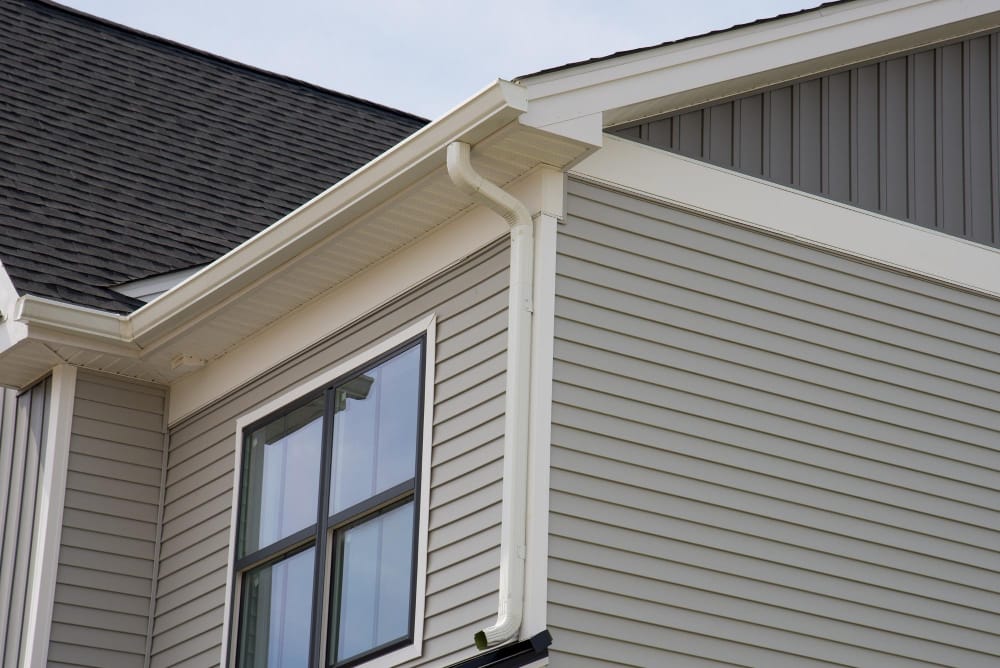
Vinyl siding is a synthetic exterior material designed to provide a balance of affordability, durability, and low maintenance. It remains one of the most popular siding choices in North America because of its practicality and broad design selection.
Modern vinyl products are available in numerous colors, textures, and profiles that complement various architectural styles.
Appearance: Traditional vs Modern Flexibility
Both materials offer appealing aesthetics but create very different visual impressions.
Stucco often delivers a more seamless and textured appearance, while vinyl provides a cleaner and more uniform look with greater color flexibility.
The choice ultimately depends on personal style preferences and architectural compatibility.
Maintenance Requirements Differ Significantly
Maintenance is one of the biggest factors homeowners consider when selecting siding materials.
Vinyl siding is widely known for requiring relatively little upkeep, while stucco may need occasional inspections and repairs depending on environmental conditions.
Typical Maintenance Considerations Include:
- Routine cleaning
- Surface inspections
- Minor repairs when necessary
- Periodic maintenance evaluations
Understanding maintenance expectations helps homeowners plan for long-term ownership.
Climate Plays an Important Role
Environmental conditions often influence siding performance. Certain climates may favor one material over another depending on moisture levels, temperature changes, and weather exposure.
Evaluating local climate conditions can help homeowners choose the most appropriate option for their region.
Energy Efficiency Considerations
Exterior siding works alongside insulation systems to help regulate indoor temperatures. While siding alone does not determine energy efficiency, its integration with other building components can influence overall performance.
Proper installation is critical for maximizing energy benefits.
Durability Supports Long-Term Value
Both stucco and vinyl can provide many years of reliable performance when properly installed and maintained. Durability expectations often depend on environmental exposure and the quality of installation.
Investing in professional workmanship helps maximize material lifespan.
Professional Installation Is Essential
Exterior siding systems require precise installation techniques to perform effectively. Moisture management, proper fastening, and accurate alignment all contribute to long-term success.
Professional installation helps ensure:
- Enhanced durability
- Improved weather resistance
- Professional appearance
- Reliable performance
Expert craftsmanship protects both the structure and the investment.
Cost Is an Important Consideration
Budget often influences siding decisions. While installation costs vary by project, homeowners should evaluate both initial expenses and long-term maintenance requirements when comparing options.
Looking beyond upfront costs helps create a more accurate understanding of overall value.
Which Material Adds More Home Value?
Attractive exteriors positively influence curb appeal and buyer perception. Both siding materials can improve property presentation when installed professionally and maintained properly.
The material that provides the greatest value often depends on regional preferences and architectural compatibility.
Final Thoughts on Stucco vs Vinyl
There is no universal answer when comparing stucco and vinyl siding. Each material offers unique advantages that appeal to different homeowners and property types.
Stucco may appeal to those seeking timeless architectural character, while vinyl remains an excellent choice for homeowners who prioritize affordability and low maintenance. By evaluating appearance, durability, climate compatibility, and maintenance expectations, homeowners can confidently choose the siding option that best supports their long-term goals.